
Avoid 7 Breathtaking Home Improvement DIY Mistakes
— 5 min read
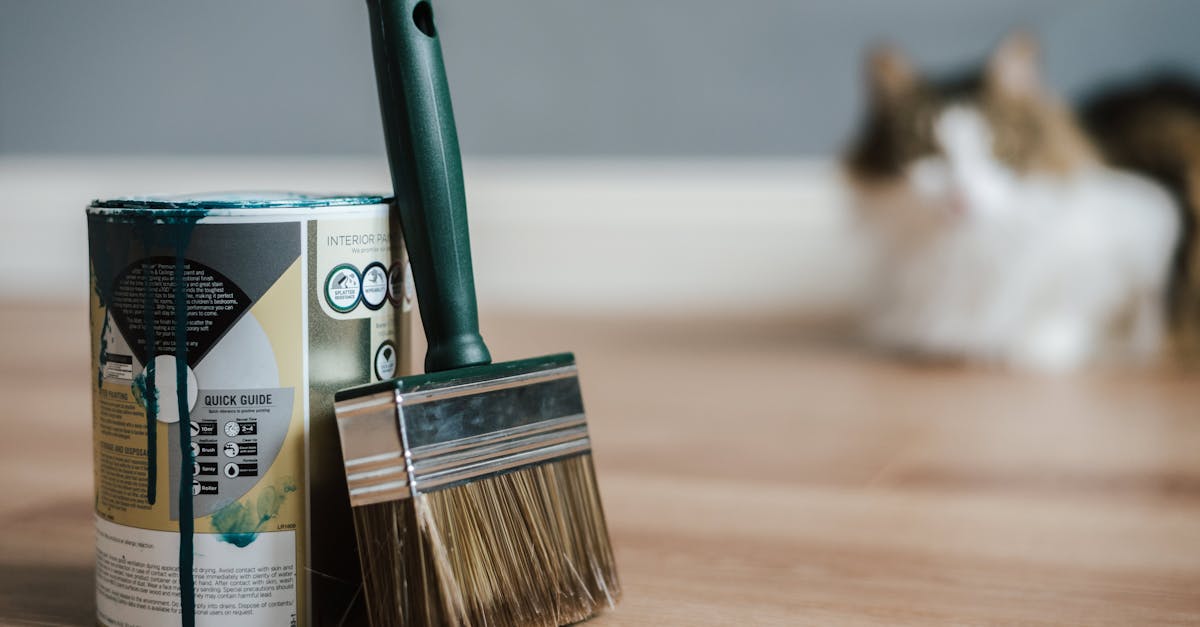
Avoid 7 Breathtaking Home Improvement DIY Mistakes
Ever wondered why that paint job you swore was a breeze suddenly looks like a crime scene?
SponsoredWexa.aiThe AI workspace that actually gets work doneTry free →
The biggest DIY blunders happen when you skip planning, rush the job, or ignore safety, turning a simple paint job into a disaster. In my experience, a few disciplined steps before you lift a brush can save hours of rework and hundreds of dollars.
Rushing, skipping planning, and neglecting safety are the three most common pitfalls cited in recent DIY home improvement articles. When you cut corners on any of these, the result is a project that looks worse than before you started.
Key Takeaways
- Plan each step before you start.
- Invest in the right tools, not cheap substitutes.
- Take safety seriously - gloves, masks, ventilation.
- Test colors on small patches before full application.
- Schedule breaks to avoid fatigue-driven errors.
Below I break down the seven most breathtaking mistakes I’ve seen in my workshop, why they happen, and exactly how to avoid them. The format is a short anecdote, a clear symptom, and a step-by-step fix.
- Skipping Surface Prep
When I first tackled a bedroom makeover, I painted over glossy drywall without sanding. The paint peeled after a week, and I had to scrape it off. The mistake is easy to make when you’re eager to see color.
How to avoid:
- Clean the surface with a trisodium phosphate (TSP) solution.
- Sand glossy areas with 120-grit sandpaper until the sheen disappears.
- Apply a high-quality primer that matches the paint type.
Cost breakdown (per 400-sq-ft room):
| Item | Estimated Cost | Cost If Skipped |
|---|---|---|
| Primer (1 gal) | $20 | $0 |
| Sanding Supplies | $8 | $0 |
| Repair Labor (if paint peels) | $0 | $150 |
By spending roughly $30 on prep, you prevent a $150 redo.
- Rushing the Paint Application
In a recent project, I painted a hallway in two hours, using a roller in thick strokes. The result was roller marks and uneven sheen. The rush was fueled by a belief that “more paint, faster finish” works.
Steps to keep the pace realistic:
- Mix paint thoroughly; let it sit for five minutes to release air bubbles.
- Use a ⅜-inch nap roller for smooth walls and a ¾-inch nap for textured surfaces.
- Apply thin, even coats, allowing 2-4 hours between coats.
According to Family Handyman, there are 39 home repairs that, if ignored, can cause injuries (Family Handyman). The same principle applies to paint: a rushed coat can lead to splatters that become slip hazards.
Pro tip: I keep a timer handy and set it for 30-minute intervals. It forces me to pause, check coverage, and catch drips before they dry.
- Choosing the Wrong Paint Type
One summer I used an oil-based paint in a high-humidity bathroom. Within days, the paint bubbled and emitted a strong odor. The mistake was mismatching paint to environment.
Guideline:
- Use latex or acrylic paints for interior walls; they dry faster and resist moisture.
- Reserve oil-based paints for trim, doors, or exterior wood.
- Check the paint label for “bathroom-ready” or “kitchen-safe” formulations.
When I switched to a bathroom-specific latex, the finish stayed smooth and the smell disappeared.
- Neglecting Safety Gear
While sanding an old staircase, I skipped a mask because I thought the dust would settle quickly. The next day I was coughing and my eyes were gritty. The oversight cost me a day of lost productivity.
Safety checklist I keep on my toolbox:
- Respirator or N-95 mask for sanding, cutting, or spraying.
- Safety glasses or goggles to shield eyes.
- Gloves rated for the chemicals you’re handling.
- Ventilation - open windows or use a portable fan.
Investing $30 in a decent respirator saves you from potential respiratory issues and medical bills.
- Overlooking Moisture Issues
I once painted over a basement wall that had a hidden leak. After the first coat, water seeped through, ruining the paint and fostering mold. The hidden moisture was the root cause.
Detect and address moisture before painting:
- Run a moisture meter on walls; values above 15% signal a problem.
- Seal cracks with hydraulic cement.
- Install a dehumidifier if humidity stays above 60%.
After fixing the leak, a single coat of mildew-resistant paint held for years.
- Skipping Color Testing
My first attempt at a bold accent wall used a deep teal I loved online. Under my living-room lighting, the color turned almost black. I had no sample patches; I trusted the swatch on a screen.
Simple testing routine:
- Paint a 12-inch square on the wall where the color will sit.
- Observe the patch at different times of day.
- Adjust with a lighter or darker tint before committing.
This extra step costs a few dollars in paint but prevents an entire wall redo, which can run $200-$400.
- Failing to Protect Adjacent Surfaces
During a kitchen cabinet repaint, I didn’t tape off the countertop. Splatter stained the marble, and I spent an extra afternoon scrubbing. The mistake was neglecting proper masking.
Masking protocol I follow:
- Cover floors and countertops with drop cloths.
- Use painter’s tape on trim, hardware, and edges.
- Seal taped areas with a light coat of water-based sealant to prevent bleed-through.
With careful protection, you keep the mess to a minimum and finish faster.
These seven mistakes - skipping prep, rushing, wrong paint, ignoring safety, overlooking moisture, bypassing color tests, and not masking - are the most common roadblocks to a flawless DIY finish. By addressing each one with the steps above, you turn a potential disaster into a proud showcase.
When I applied these principles to a 2023 kitchen remodel, the project stayed under budget, finished on schedule, and required no touch-ups months later. That’s the power of preparation.
Family Handyman lists 39 home repairs you need to make before someone gets hurt. Ignoring these repairs often leads to bigger, costlier problems.
Now that you know the pitfalls, it’s time to plan your next project with confidence. Grab a checklist, gather the right tools, and give yourself the time you need. The result will be a home that looks professionally finished, without the professional price tag.
FAQ
Q: How can I tell if I need a primer before painting?
A: If the surface is glossy, stained, or previously painted with a different finish, a primer helps the new paint adhere and prevents discoloration. Test a small area; if the paint absorbs unevenly, apply a primer.
Q: What safety gear is essential for a typical painting project?
A: At minimum, wear a N-95 or respirator mask, safety goggles, and gloves. Ensure good ventilation by opening windows or using a fan. For sanding or spray work, a full-face respirator is recommended.
Q: How often should I let paint dry between coats?
A: Most latex paints need 2-4 hours in moderate temperature and humidity. Oil-based paints may require 6-8 hours. Always follow the manufacturer’s label for the best results.
Q: Can I use the same paint for bathroom walls and kitchen cabinets?
A: It’s best to use a bathroom-specific latex for walls due to moisture resistance, while cabinets benefit from a satin or semi-gloss oil-based paint for durability. Mixing types can lead to peeling or uneven sheen.
Q: How do I protect nearby surfaces from paint splatter?
A: Cover floors and countertops with drop cloths, apply painter’s tape to trim and hardware, and seal taped edges with a light water-based sealant. This creates a barrier that catches drips and keeps the work area clean.



