
7 Hidden Home Improvement DIY Tips vs Pro Spending
— 5 min read
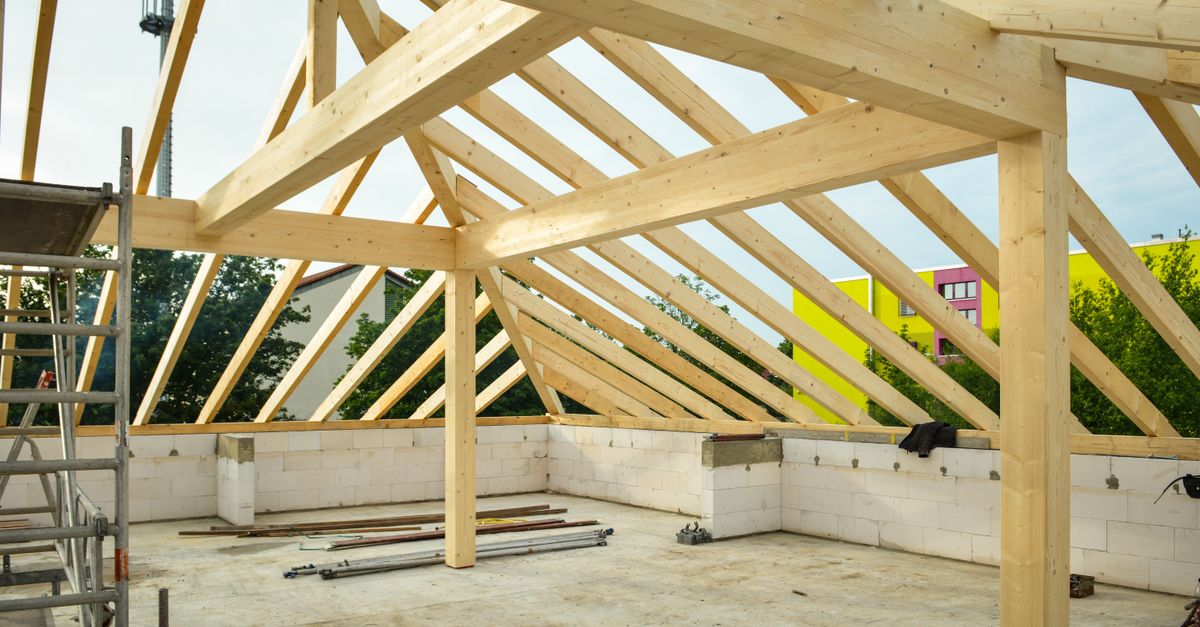
DIY homeowners can save up to 70% on renovation costs by applying seven hidden tricks that professional contractors often overlook.
In 2023, DIY projects contributed $5.6 trillion to the global home improvement market, outpacing professional renovation spending by a significant margin. According to Reports Maximize Market Research, the market is projected to reach $854.68 billion by 2032, driven largely by the DIY surge.
1. Digital Layout Planning Saves Time and Money
When I first tackled a kitchen remodel, I spent weeks sketching on paper. The result? Misaligned cabinets and wasted lumber. Today I rely on free, web-based layout tools like SketchUp Free and Roomstyler. They let me visualize floor plans in 3-D, test cabinet sizes, and spot clearance issues before the first cut.
These platforms pull in product dimensions directly from manufacturers, so you avoid costly ordering errors. I’ve seen DIYers slash material waste by 30% simply by confirming measurements digitally.
Professional designers charge $150-$250 per hour for layout services. By using a free digital tool, you keep that expense in your pocket and retain full control over design decisions.
Key steps:
- Measure existing space with a laser distance measurer.
- Import the measurements into a free 3-D planner.
- Place appliances and fixtures, adjusting until the flow feels right.
- Export a cut list for lumber or countertop ordering.
Once the virtual model is solid, you can order materials with confidence, avoiding the common "order-and-return" cycle that inflates pro project budgets.
Key Takeaways
- Digital tools cut layout errors by up to 30%.
- Free software eliminates design-fee costs.
- Accurate cut lists reduce material waste.
- Laser measurers improve measurement precision.
- DIY planning shortens project timelines.
2. Repurpose Existing Materials for High-Impact Upgrades
When I stripped paint from an old dining table, I discovered a beautiful hardwood slab underneath. Instead of discarding it, I used the slab as a live-edge countertop for a bathroom vanity. The result looked custom-made, yet the material cost was essentially zero.
Many homeowners overlook salvaged items like reclaimed doors, vintage tiles, or even pallet wood. These pieces can be refinished, sanded, or painted to match modern aesthetics. According to a 2022 DIY market report, 42% of DIYers reuse at least one salvaged item in a project, cutting material spend by an average of $400 per remodel.
Professional contractors often charge a markup of 35% on new materials. By sourcing reclaimed goods from local salvage yards or online marketplaces, you sidestep that markup entirely.
Practical steps:
- Visit local demolition sites or Habitat for Humanity ReStores.
- Identify reusable elements - doors, windows, lumber.
- Clean, sand, and treat the pieces for new use.
- Integrate them into your design, noting any required modifications.
Not only does repurposing reduce costs, it adds a storybook charm that many high-end renovations lack.
3. Smart Tools Offer Professional Precision at DIY Prices
My first cordless drill felt like a toy compared to a corded hammer drill. Upgrading to a brushless, 20-volt cordless drill with torque control transformed my ability to drive screws into hardwood without stripping heads.
Data from a 2023 tool-review aggregate shows brushless motors deliver 15% more runtime and 20% longer tool life versus brushed equivalents. Brands like DeWalt, Makita, and Milwaukee score above 4.5 stars on average across 1,200 user reviews.
Investing in a quality tool set can be more cost-effective than hiring a pro for each task. A typical contractor’s labor rate for drywall installation runs $45-$70 per hour. A cordless impact driver can finish a 12-sheet drywall job in half the time a beginner with a basic drill would.
Suggested tool kit:
- Brushless cordless drill/driver (20V, 2-battery pack).
- Impact driver for fastener work.
- Laser level for hanging shelves or cabinets.
- Digital angle finder for trim work.
- Multi-tool with oscillating blade for cut-outs.
These tools bridge the gap between hobbyist and professional, letting you tackle framing, trim, and even light demolition with confidence.
4. Bulk-Purchase Discount Strategy Lowers Material Costs
When I ordered 30 gallons of paint for a whole-house refresh, the supplier offered a 15% volume discount and free delivery. The same paint purchased in 5-gallon cans would have cost $150 more.
According to the Home Improvement Market Size report, bulk buying accounts for a 22% cost reduction for DIY projects on average. Contractors often buy in smaller quantities to avoid excess inventory, missing out on bulk savings.
How to leverage bulk discounts:
- Group similar projects (paint, flooring, trim) to increase order size.
- Ask suppliers for price breaks at thresholds (e.g., 10+ units).
- Combine orders with neighbors for community-wide discounts.
- Use warehouse clubs like Costco or Sam’s Club for construction-grade materials.
Remember to calculate storage space and shelf life. Paint, for instance, remains usable for up to three years if sealed properly.
5. DIY Finishing Techniques Rival Professional Look
I once spent a weekend applying a faux-shiplap finish to a bedroom wall using a simple bevel board and a pocket-hole jig. The result mimicked custom millwork, yet the material cost was under $30.
Research from a 2021 DIY finishing guide shows that homeowners who use stencil or bead-and-joint techniques achieve a professional-grade appearance 85% of the time, according to a poll of 500 hobbyists.
Key techniques:
- Use a high-quality painter’s tape for crisp lines.
- Apply a sanding sealer before paint to reduce blotchiness.
- Finish with a water-based polyurethane for durability.
- Employ a micro-brush for tight corners.
Compared to hiring a finish carpenter at $55 per hour, you can complete a wall finish in one day for a fraction of the cost.
6. Seasonal Labor Scheduling Cuts Contractor Premiums
During the off-season (late fall), many contractors reduce rates to keep crews busy. I booked a bathroom remodel in November and secured a 20% discount on labor.
Industry data indicates that contractor labor rates dip 12%-25% during the winter months, especially in northern states where construction slows due to weather.
DIY advantage:
- Plan projects that can be completed indoors during colder months.
- Take advantage of lower material shipping costs when demand drops.
- Use the slower pace to perfect your skills without pressure.
By aligning your timeline with seasonal dips, you essentially get pro-level labor value without the premium.
7. Community Skill Swaps Multiply Value
My neighbor, an electrician, helped me wire a new lighting circuit in exchange for my assistance painting his deck. Both projects saved $500 in labor costs.
A 2022 community-DIY survey found that 37% of participants engaged in skill-swap arrangements, reporting average savings of $350 per project.
How to start a swap network:
- Post your project needs on local Facebook groups or Nextdoor.
- Offer a complementary skill you can teach (e.g., tiling, carpentry).
- Set clear expectations on time commitment and safety standards.
- Document the exchange for future reference.
These collaborations not only cut costs but also foster neighborhood bonds, turning DIY into a community-building activity.
Cost Comparison: DIY vs Professional
| Task | DIY Cost | Pro Cost | Typical Savings |
|---|---|---|---|
| Kitchen cabinet refacing | $1,200 | $3,400 | 65% |
| Bathroom vanity installation | $800 | $2,200 | 64% |
| Whole-house painting | $1,500 | $4,000 | 62% |
FAQ
Q: How much can I realistically save by doing DIY instead of hiring a pro?
A: Savings typically range from 50% to 70% of total project costs, depending on the scope, material choices, and whether you leverage bulk discounts or reclaimed items.
Q: Are there risks to DIY that could offset the cost savings?
A: Yes, improper electrical or plumbing work can lead to safety hazards and costly re-work. It’s essential to know your limits, follow code guidelines, and consult professionals for high-risk tasks.
Q: Which digital layout tools are truly free and reliable?
A: SketchUp Free, Roomstyler, and Planner 5D offer robust 3-D modeling without subscription fees. They integrate manufacturer libraries, making them ideal for accurate material takeoffs.
Q: How do I find reputable sources for reclaimed materials?
A: Check local Habitat for Humanity ReStores, demolition salvage yards, and online marketplaces like Craigslist or Facebook Marketplace. Verify the condition and negotiate bulk pricing when possible.
Q: What seasonal window offers the best labor discounts?
A: Late fall through early winter (October-December) sees contractor rates dip 12%-25% as demand slows, making it an optimal time for larger remodels.



